The Comprehensive Guide to Crypto Loans: Understanding the Risks and Rewards
Discover the ins and outs of crypto loans, their benefits, risks, and how to choose the right platform for your financial needs.

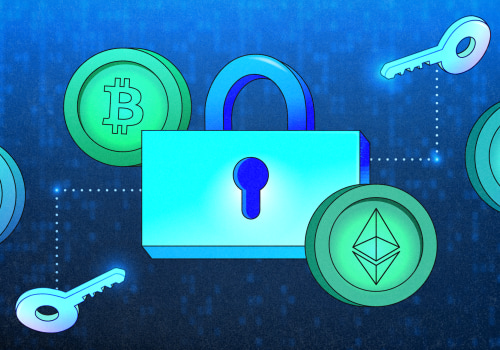
In recent years, the financial landscape has witnessed a significant transformation with the emergence of crypto loans. These innovative financial products allow individuals to leverage their cryptocurrency holdings as collateral to secure loans, providing a unique opportunity for both seasoned investors and newcomers to the crypto space. As traditional lending practices often involve stringent credit checks and lengthy approval processes, crypto loans offer a refreshing alternative that is gaining traction among those looking for quick access to cash without the hassle of conventional banking. So, what exactly are crypto loans ? At their core, they are loans secured by cryptocurrency assets. Borrowers can deposit their digital currencies—such as Bitcoin or Ethereum—into a lending platform, which then allows them to borrow a percentage of the collateral's value in fiat currency or stablecoins.
This process not only enables users to access liquidity without selling their crypto assets but also allows them to potentially benefit from price appreciation while still holding onto their investments. The growing popularity of crypto loans can be attributed to several factors. First and foremost, they provide an efficient way to obtain funds quickly, often with minimal documentation and no credit checks. Additionally, the interest rates on these loans can be competitive compared to traditional lending options, making them an attractive choice for those in need of short-term financing. Furthermore, as more people become aware of the potential benefits of utilizing their cryptocurrency holdings, the demand for crypto lending services continues to rise. As we delve deeper into the world of crypto loans, it is essential to understand not only how they work but also the various benefits and risks associated with them.
This knowledge will empower you to make informed decisions about whether this innovative financial tool aligns with your investment strategy and financial goals.
What Are Crypto Loans?
Crypto loans
are a relatively new financial instrument that allows individuals to borrow funds using their cryptocurrency holdings as collateral. This innovative approach to lending has gained traction in the digital finance space, providing an alternative to traditional loans that often require extensive credit checks and lengthy approval processes. At its core, a crypto loan functions similarly to a secured loan. Borrowers deposit a certain amount of cryptocurrency into a lending platform, which then assesses the value of the collateral. Based on this valuation, the platform offers a loan amount that is typically a percentage of the collateral's worth.
This percentage is known as the loan-to-value (LTV) ratio , and it varies by platform and asset type. For example, if you deposit $10,000 worth of Bitcoin and the platform offers an LTV ratio of 50%, you could potentially borrow up to $5,000. The remaining collateral acts as a safety net for the lender, ensuring that they can recover their funds in case of default. One of the key advantages of crypto loans is their speed and accessibility. Unlike traditional banks, which may take days or even weeks to process loan applications, crypto lending platforms often provide instant approvals and funding. This rapid turnaround can be particularly beneficial for individuals needing quick access to cash for emergencies or investment opportunities. In terms of collateral, various types of cryptocurrencies can be used to secure loans.
Popular options include:
- Bitcoin (BTC)
- Ethereum (ETH)
- Litecoin (LTC)
- Stablecoins , such as USDC or Tether (USDT)
The Benefits of Crypto Loans
Crypto loans have emerged as a compelling financial tool for individuals looking to leverage their digital assets. One of the most significant advantages of crypto loans is the speed at which borrowers can access funds.Unlike traditional lending processes that may take days or even weeks, crypto loans can often be approved and funded within hours. This rapid turnaround is particularly beneficial for those who need immediate cash for emergencies or investment opportunities. Another notable benefit is the potential for lower interest rates compared to conventional loans. Traditional lenders often impose high-interest rates, especially for unsecured loans, which can lead to substantial repayment amounts over time. In contrast, crypto loans typically offer more favorable rates due to the over-collateralization model used in these transactions.
Borrowers provide collateral in the form of cryptocurrency, which reduces the lender's risk and allows them to offer lower rates. Additionally, crypto loans enable borrowers to maintain ownership of their assets while still accessing liquidity. This means that individuals can leverage their cryptocurrency holdings without having to sell them, allowing them to benefit from potential price appreciation while still obtaining necessary funds. This feature is particularly appealing in a volatile market where selling assets could mean missing out on future gains. Furthermore, crypto loans often come with fewer restrictions than traditional loans. Many platforms do not require credit checks, making it easier for individuals with less-than-perfect credit histories to secure funding.
This inclusivity opens up borrowing opportunities for a broader range of people, including those who may have been denied by traditional financial institutions. In summary, the benefits of borrowing with crypto are multifaceted. From quick access to funds and lower interest rates to the ability to leverage existing assets without selling them, crypto loans present a unique opportunity for savvy investors and everyday users alike. As the cryptocurrency landscape continues to evolve, these advantages make crypto loans an attractive option for those seeking financial flexibility.
Understanding the Risks Involved
While crypto loans present exciting opportunities for investors, they are not without their risks. Understanding these potential downsides is crucial for anyone considering entering the crypto lending space.Market Volatility
One of the most significant risks associated with crypto loans is the inherent volatility of cryptocurrency markets.Prices can fluctuate dramatically within short periods, which can impact the value of the collateral you provide. For instance, if you take out a loan using Bitcoin as collateral and its value drops significantly, you may face a margin call, requiring you to either add more collateral or repay part of the loan to maintain your loan-to-value ratio.
Security Concerns
Security is another critical factor to consider when dealing with crypto loans. The decentralized nature of cryptocurrencies makes them attractive to hackers and cybercriminals. If a lending platform suffers a security breach, your assets could be at risk.It’s essential to choose platforms with robust security measures, such as two-factor authentication and cold storage for funds.
Regulatory Uncertainties
The regulatory landscape surrounding cryptocurrencies and lending practices is still evolving. Different jurisdictions have varying regulations, and changes in laws can significantly impact how crypto loans operate. For example, new regulations could impose stricter requirements on lenders or even limit the types of collateral that can be used. This uncertainty can create risks for borrowers who may find themselves in a position where their loans are affected by sudden regulatory changes.Potential for Over-leverage
Another risk is the potential for over-leverage.Because crypto loans often allow borrowers to access funds that exceed their initial investment, there is a temptation to borrow more than one can afford to repay. This can lead to a cycle of debt if the borrowed funds are not used wisely or if market conditions worsen.
Conclusion
In summary, while crypto loans offer unique advantages, they also come with significant risks that must be carefully considered. Market volatility, security vulnerabilities, regulatory uncertainties, and the potential for over-leverage are all factors that can affect your borrowing experience. It’s essential to conduct thorough research and consult with financial advisors before engaging in crypto lending.How to Choose a Crypto Lending Platform
Choosing the right crypto lending platform is crucial for maximizing your investment potential while minimizing risks.With numerous options available, it’s essential to evaluate several key factors before making a decision.
1.Interest Rates
One of the first aspects to consider is the interest rates offered by different platforms. These rates can vary significantly and may change frequently due to market conditions. Look for platforms that provide competitive rates, but also pay attention to whether these rates are fixed or variable. Fixed rates offer stability, while variable rates can lead to lower costs if the market shifts favorably.2.Loan Terms
The loan terms are another critical factor.This includes the duration of the loan, repayment schedules, and any associated fees. Some platforms may offer flexible repayment options, allowing you to choose a schedule that fits your financial situation. Additionally, check for any hidden fees that could affect the overall cost of borrowing.
3.Platform Reputation
Researching the reputation of a lending platform is vital. Look for user reviews and testimonials to gauge the experiences of other borrowers.A platform with a strong track record of customer service and reliability is more likely to be trustworthy. You can also check if the platform has been involved in any controversies or security breaches in the past.
4.Security Measures
Security should be a top priority when selecting a crypto lending platform. Ensure that the platform employs robust security measures such as two-factor authentication (2FA), encryption protocols, and cold storage for assets. A platform that prioritizes security will help protect your investments from potential hacks or breaches.5.Customer Support
Lastly, consider the quality of customer support.A responsive support team can make a significant difference, especially if you encounter issues during the loan process. Look for platforms that offer multiple channels of communication, such as live chat, email, and phone support. By carefully evaluating these factors—interest rates, loan terms, platform reputation, security measures, and customer support—you can make an informed decision when choosing a crypto lending platform that aligns with your financial goals.
The Loan Process Explained
Obtaining a crypto loan involves a series of steps that can seem daunting at first, but understanding the process can make it much more manageable. Here’s a detailed breakdown of how to apply for a crypto loan, from the initial application to receiving your funds.1.Research and Choose a Lending Platform
- Before you apply, it’s crucial to research various lending platforms. Look for reputable services that offer competitive interest rates, favorable loan terms, and strong security measures.
- Read reviews and check the platform's reputation within the crypto community to ensure you are making a safe choice.
2.Prepare Your Collateral
- Most crypto loans require collateral, typically in the form of cryptocurrency.
Ensure that you have sufficient assets to cover the loan amount you wish to borrow.
- Understand the loan-to-value (LTV) ratio that the platform offers, as this will determine how much you can borrow against your collateral.
3.Create an Account
- Once you’ve selected a platform, create an account by providing your email address and setting up a secure password.
- Some platforms may require identity verification, so be prepared to submit personal information and documents.
4.Apply for the Loan
- After your account is set up, navigate to the loan application section. Here, you will need to specify the amount you wish to borrow and provide details about your collateral.
- Review the terms and conditions carefully before submitting your application.
5.Loan Approval and Terms Review
- The platform will review your application and collateral. If approved, you will receive a loan offer detailing the interest rate, repayment terms, and any fees involved.
- Take time to read through these terms thoroughly; understanding them is essential for avoiding surprises later on.
6.Accepting the Loan Offer
- If you agree with the terms, accept the loan offer. This may involve signing a digital agreement.
- Your collateral will be locked in by the platform until you repay the loan in full.
7.Receive Your Funds
- Once everything is finalized, the funds will be disbursed to your account.
Depending on the platform, this could happen almost instantly or take a few hours.
- You can then use these funds for your intended purpose, whether it’s investing further in crypto or covering personal expenses.
8.Repayment
- Be mindful of your repayment schedule. Missing payments can lead to penalties or even liquidation of your collateral.
- Ensure that you understand how repayments work—some platforms allow flexible repayment options while others may have strict schedules.
Regulatory Landscape for Crypto Loans
The regulatory landscape for crypto loans is complex and continually evolving, reflecting the rapid growth of the cryptocurrency market. Different regions have adopted varying approaches to regulation, which can significantly impact both borrowers and lenders in the crypto lending space. In the United States, the regulatory framework is fragmented. Various federal and state agencies oversee different aspects of cryptocurrency transactions.The Securities and Exchange Commission (SEC) has taken a strong stance on classifying certain cryptocurrencies as securities, which can affect how crypto loans are structured. Additionally, the Commodity Futures Trading Commission (CFTC) regulates derivatives based on cryptocurrencies, while the Financial Crimes Enforcement Network (FinCEN) requires crypto lenders to comply with anti-money laundering (AML) and know your customer (KYC) regulations. In contrast, countries like Switzerland have embraced a more favorable regulatory environment for cryptocurrencies. The Swiss Financial Market Supervisory Authority (FINMA) has established clear guidelines for crypto lending, allowing for greater innovation while ensuring consumer protection. This regulatory clarity has made Switzerland a hub for crypto-related businesses. Meanwhile, in regions such as China , strict regulations have been imposed on cryptocurrency activities, including lending.
The Chinese government has cracked down on crypto lending platforms, citing concerns over financial stability and fraud. This has led to a significant reduction in available services for borrowers in that region. For borrowers considering a crypto loan, understanding the legal implications is crucial. Regulations can dictate not only the terms of the loan but also the rights of both parties involved. For instance, in some jurisdictions, lenders may be required to register their services or obtain specific licenses to operate legally. Furthermore, potential borrowers should be aware of how regulations affect their ability to repay loans.
In regions with stringent regulations, sudden changes in law could impact the value of collateral or the availability of funds. Therefore, it is advisable for individuals to stay informed about local laws and consult with legal experts when engaging in crypto lending. In summary, navigating the regulatory landscape for crypto loans requires diligence and awareness of regional differences. As regulations continue to evolve, both borrowers and lenders must adapt to ensure compliance and protect their interests in this dynamic financial environment.
Use Cases for Crypto Loans
Crypto loans have emerged as a versatile financial tool, offering a range of use cases that cater to various needs. Understanding these scenarios can help potential borrowers make informed decisions about leveraging their cryptocurrency holdings. One of the most common reasons individuals opt for crypto loans is for debt consolidation.By borrowing against their cryptocurrency assets, borrowers can pay off high-interest debts, such as credit card balances or personal loans. This strategy not only simplifies their financial obligations but can also lead to significant savings on interest payments. For instance, if a borrower has multiple debts with varying interest rates, consolidating them into a single loan with a lower rate can improve their overall financial health. Another compelling use case for crypto loans is to seize investment opportunities. The cryptocurrency market is known for its volatility and potential for rapid gains.
By taking out a loan, investors can access cash quickly to purchase additional cryptocurrencies or other investment vehicles without having to sell their existing holdings. This approach allows them to maintain their investment positions while capitalizing on market fluctuations. Additionally, crypto loans can be utilized for personal expenses. Whether it’s funding a home renovation, covering medical bills, or financing a vacation, borrowers can tap into the liquidity of their crypto assets without liquidating them. This is particularly advantageous in a rising market where selling could mean missing out on future gains. Moreover, crypto loans provide an alternative for those who may not qualify for traditional loans due to credit history or income verification issues.
Since these loans are often secured by collateral, lenders may be more willing to extend credit to individuals who might otherwise face challenges in obtaining financing. In summary, the use cases for crypto loans are diverse and can serve various financial needs. From debt consolidation and investment opportunities to personal expenses and accessibility for those with limited credit options, crypto loans offer flexibility and potential benefits that are worth considering.
Frequently Asked Questions About Crypto Loans
As the popularity of crypto loans continues to grow, many potential borrowers have questions about how these loans work and what they entail. Below are some of the most frequently asked questions regarding crypto lending, along with detailed answers to help clarify any misconceptions.- What is a crypto loan?
A crypto loan is a type of secured loan where borrowers use their cryptocurrency holdings as collateral to obtain cash or stablecoins. This allows individuals to access liquidity without having to sell their digital assets. - How do I qualify for a crypto loan?
Qualification typically depends on the value of the collateral you provide.Most platforms require a certain loan-to-value (LTV) ratio, which indicates how much you can borrow against your collateral. For example, if you have $10,000 worth of Bitcoin and the platform offers an LTV of 50%, you could borrow up to $5,000.
- Are there credit checks involved?
One of the advantages of crypto loans is that they usually do not require traditional credit checks. Since the loan is secured by your cryptocurrency, lenders focus more on the value of your collateral rather than your credit history. - What happens if the value of my collateral drops?
If the value of your collateral decreases significantly, you may receive a margin call from your lender, requiring you to either add more collateral or repay part of the loan to maintain the required LTV ratio. Failure to do so could result in liquidation of your collateral. - Can I use crypto loans for any purpose?
Yes, borrowers can use funds from crypto loans for various purposes, including personal expenses, investments, or even business ventures.However, it’s essential to ensure that taking out a loan aligns with your financial goals.
- What are the risks associated with crypto loans?
While crypto loans offer several benefits, they also come with risks. The primary risk is market volatility; if the value of your collateral drops sharply, you may face liquidation. Additionally, there are risks related to platform security and regulatory changes that could impact your ability to access funds.
Conclusion: Weighing Your Options with Crypto Loans
As we conclude our exploration of crypto loans, it’s essential to reflect on the various aspects discussed throughout this article.The world of cryptocurrency lending presents a unique opportunity for investors and borrowers alike, but it is not without its complexities and risks. First and foremost, understanding the mechanics of crypto loans is crucial. These loans typically require collateral in the form of cryptocurrency, which can provide a safety net for lenders while offering borrowers access to liquidity without needing to sell their assets. This feature can be particularly advantageous in a volatile market where holding onto your crypto assets may be more beneficial than liquidating them. However, potential borrowers must carefully evaluate the terms offered by different lending platforms. Key factors such as interest rates , loan-to-value ratios , and the overall reputation of the platform should be at the forefront of your decision-making process.
A thorough comparison can help you secure favorable terms that align with your financial goals. Moreover, while the benefits of crypto loans include quick access to cash and minimal credit checks, it’s vital to remain aware of the inherent risks. Market fluctuations can impact the value of your collateral, potentially leading to margin calls or liquidation if the value drops significantly. Additionally, security concerns regarding platform integrity and potential hacks cannot be overlooked. In light of these considerations, it is advisable to consult with financial advisors or conduct extensive research before engaging in crypto lending. Understanding both the legal and financial implications will empower you to make informed decisions that suit your individual circumstances. Ultimately, crypto loans can serve as a powerful tool for leveraging your cryptocurrency investments, but they require careful thought and due diligence.
By weighing your options and considering all factors involved, you can navigate this evolving landscape with confidence.